Ecosystem Ecology Research Unit
Understanding the complex interactions and their responses to environmental changes in the ecosystem
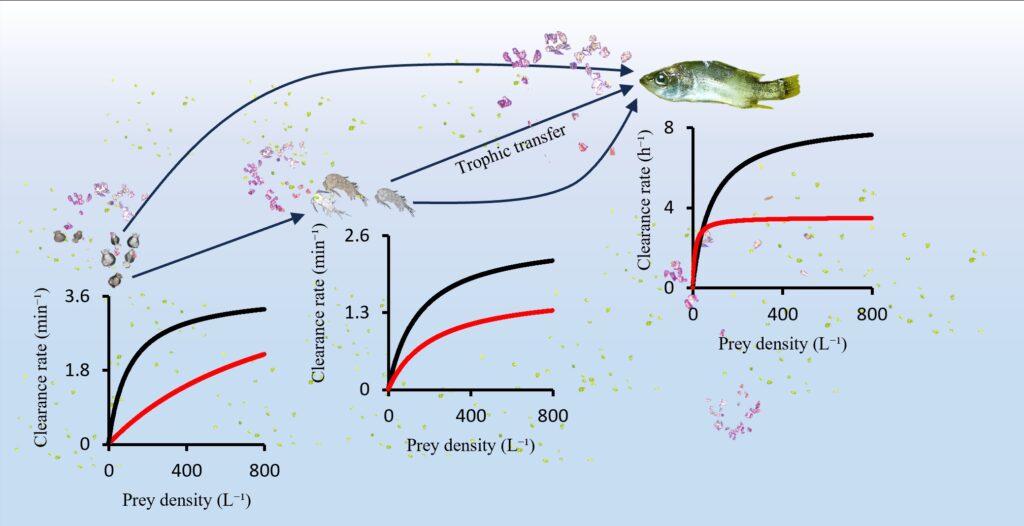
“Our research focuses on aquatic ecology, particularly, the feeding ecology of aquatic organisms like zooplankton and ichthyoplankton, life history strategies in zooplankton subjected to food, predation, pollutants including microplastics, the effect of invasive species, effects of land-driven discharge on marine and freshwater community structure, bioremediation of xenobiotic compounds and biocontrol of disease vectors.”
Updates
-
Multigenerational Exposure to Mancozeb Impacts Fitness Traits and Population Dynamics in Ceriodaphnia cornuta (Crustacea: Cladocera)
-Banaja Prakashini Samantaray, Ram Kumar in Environmental Toxicology The seepage of agrochemicals into rivers, lakes, and groundwater is a growing concern for freshwater ecosystems. Among them, Mancozeb, a widely used fungicide, breaks down into Ethylene thiourea (ETU)—a metabolite that is more persistent and often more toxic. This raises serious questions about…
-
Answer from the Neighborhood: Sustainable Treatment of Textile Industry Effluent Using Native Biopurifiers from Industrial Discharge Vicinity
in ACS ES&T Water This research explores how native microbial and algal biopurifiers, collected from areas surrounding textile industry discharge sites, can be harnessed to sustainably treat effluents. Key Insights: Textile effluents are rich in dyes, heavy metals, and organic pollutants that pose serious ecological risks. Native biopurifiers—microbes and algae…
-
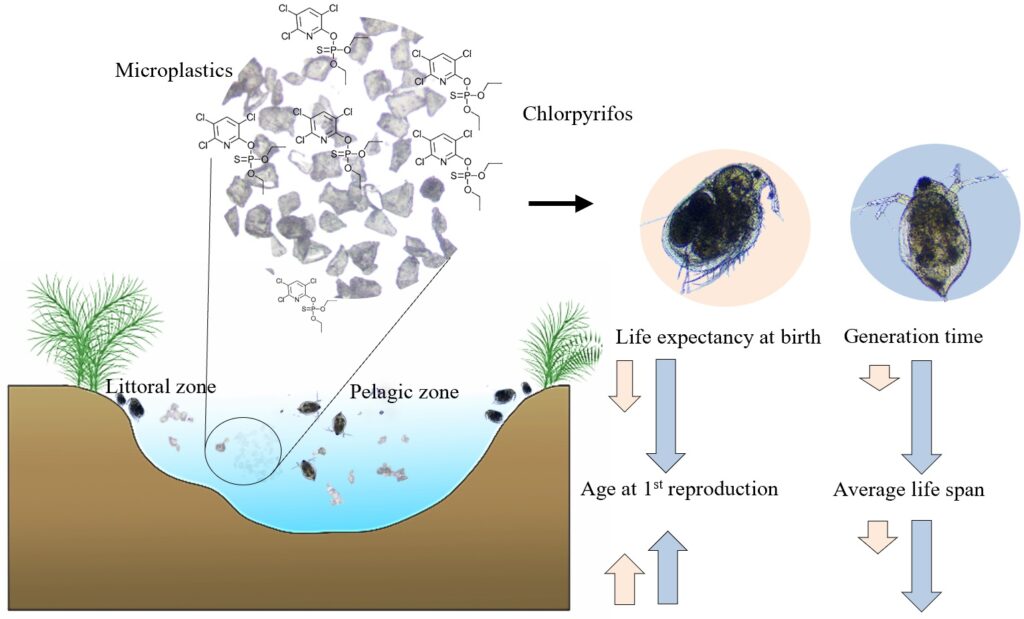
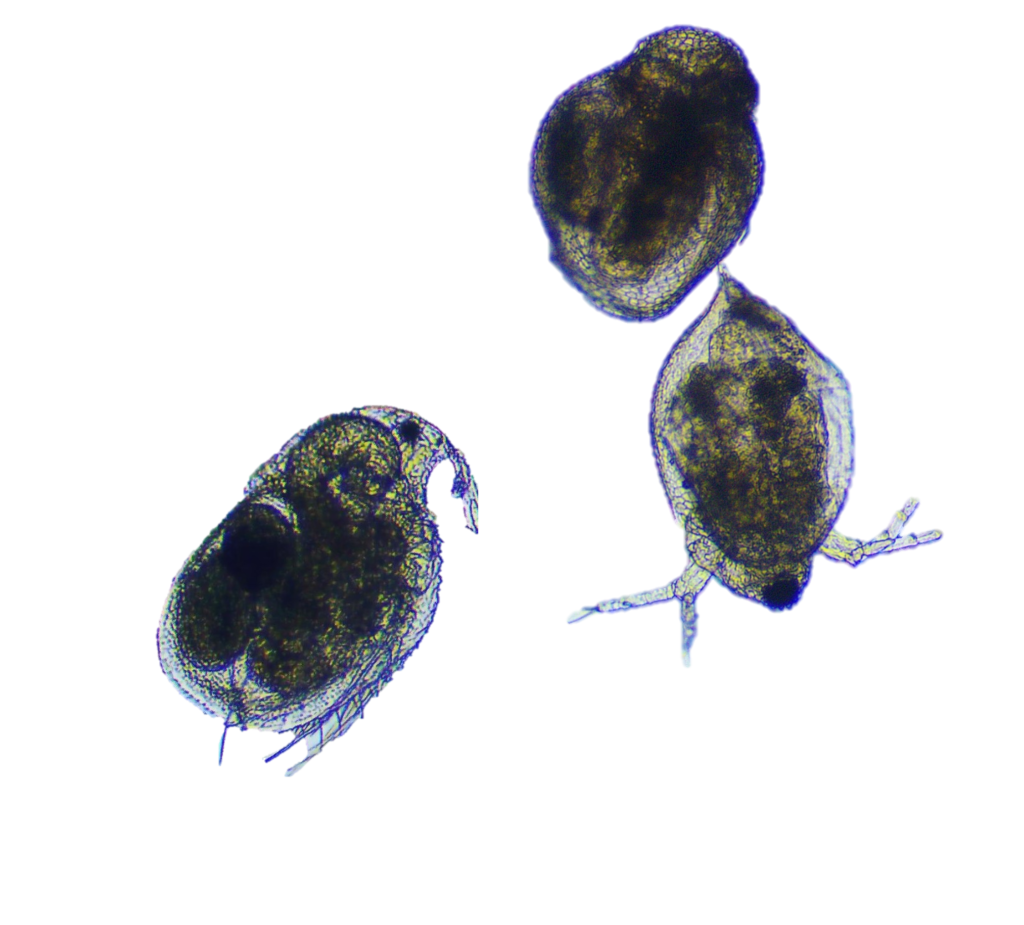
Microplastic contamination worsens the ecotoxicity of chlorpyrifos to cladoceran Ceriodaphnia cornuta (Sars, 1885) and Echinisca triserialis (Brady, 1886)
in Ecotoxicology This research highlights how microplastics intensify the toxic effects of chlorpyrifos, a widely used organophosphate pesticide, on two key aquatic invertebrates: Ceriodaphnia cornuta and Echinisca triserialis. These results underscore the dual threat of chemical pollutants and plastic debris in aquatic ecosystems. The study provides evidence that microplastic–pesticide interactions…
“Our research program bridges the gap between evolutionary and conservation ecology in freshwater and marine biological research. Thus, the Ecosystem Ecology Research unit engenders research on bioremediation, extraction of value-added compounds from wastewater, natural selection, and community structure impacted by autochthonous and allochthonous-biotic and abiotic contaminants.”